
Permanent grounding connections
Exothermic welding for grounding and earthing
Connect cables, ground rods, copper tapes, structural steel and reinforcing bars with a correctly specified Aura Weld® system.
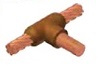
Why it is specified
A connection designed to remain electrically continuous
Exothermic welding forms a molecular bond instead of a pressure contact. When correctly selected and installed, the connection provides a permanent current path for grounding, earthing, lightning protection and equipotential bonding systems.
Common applications
Grounding connection configurations
The final system selection must match the actual conductor sizes, materials and project specification.
Cable to ground rod
A conductor bonded directly to a compatible grounding electrode.
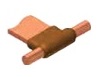
Tape to ground rod
A copper tape or strip connection to a specified ground rod.
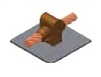
Cable to steel
A grounding or bonding conductor connected to a prepared steel surface.
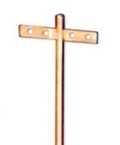
Electrode to copper strip
A copper-bonded electrode joined to copper strip for an earthing network.
System planning
Information needed before mould selection
- Connection geometry and orientation
- Conductor material and cross-sectional size
- Ground rod, tape, bar or steel dimensions
- Required graphite mould and handle clamp
- Specified weld material cartridge size
- Site conditions, preparation and safety controls

Connection benefits
Built for critical electrical networks
Permanent bond
No bolts or contact pressure are needed to maintain the completed molecular connection.
Low resistance
A correctly installed connection supports dependable electrical continuity in the grounding path.
Broad configurations
Connection-specific moulds support cables, rods, tapes, bars, steel surfaces and rebar.
Visual guide
Watch the exothermic welding process
Use the demonstration to understand the system sequence. Always follow the instructions supplied for the selected connection.
Frequently asked questions
Grounding and earthing FAQs
Why is exothermic welding used for grounding?
It creates a permanent molecular connection with low electrical resistance and does not depend on mechanical pressure, making it suitable for specified grounding and bonding applications.
Can exothermic welding connect a cable to a ground rod?
Yes. Cable-to-ground-rod is a common configuration when the conductor size, rod diameter, mould and weld material are correctly matched.
Is earthing the same as grounding?
The terms are often used differently by region and standard, but both generally concern providing a deliberate electrical path to earth. Project specifications and applicable standards should govern the design.
Does the process need mains electricity?
No external electrical power source is needed for the exothermic reaction. Installation still requires the correct mould, weld material, tools, preparation and safety controls.
Can the same mould be used for every grounding connection?
No. The mould is connection-specific and must match the conductor material, dimensions and joint geometry.
Who should install an exothermic grounding connection?
Installation should be completed by trained personnel following the product instructions, project specification and applicable safety requirements.